




If you’ve been watching the Atlanta market lately, you’ve probably noticed something:
- Two homes on the same street.
- Similar square footage.
- Very different prices.
It can feel inconsistent — even confusing.
But in Atlanta, uneven pricing isn’t necessarily a red flag. It’s often just how this market works.
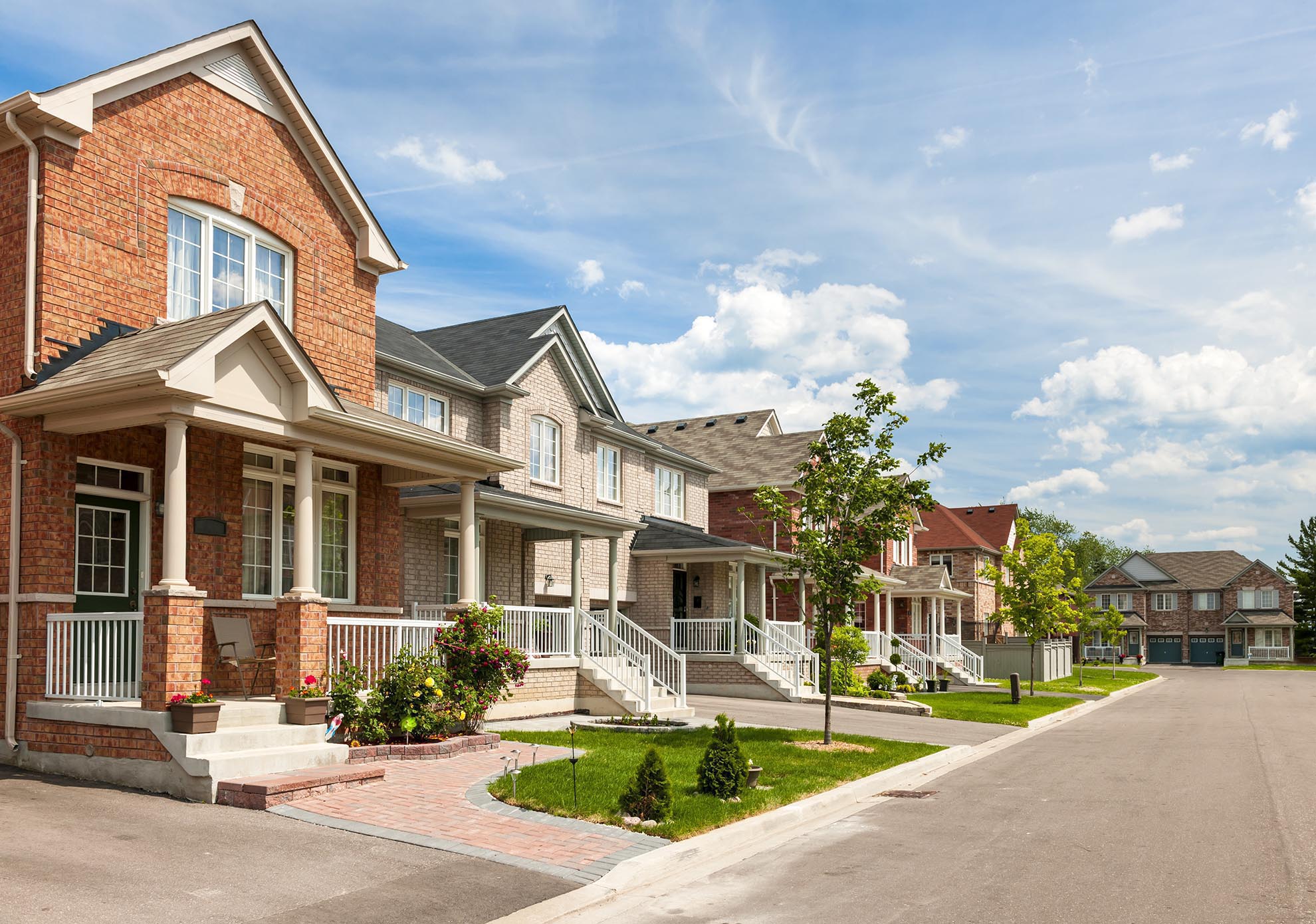
Atlanta Is a Patchwork of Micro-Markets
Atlanta isn’t one uniform market. It’s a collection of smaller, hyper-local markets.
Pricing can shift dramatically based on:
- School zones
- Proximity to the BeltLine
- Walkability
- New development nearby
- Renovation quality
- Even which side of the street you’re on
A home in one pocket of a neighborhood may command a premium simply because of access, traffic flow, or long-term demand patterns.
That doesn’t mean something is “wrong.” It means location nuances matter here.

Condition Carries Real Weight
In some cities, price per square foot dominates the conversation.
In Atlanta, condition and presentation often carry just as much weight as size.
Updated kitchens, modernized systems, curb appeal, and overall maintenance can significantly separate two otherwise similar homes.
Buyers pay for:
- Move-in readiness
- Quality renovations
- Layout functionality
- Natural light
And they discount heavily for deferred maintenance.
That gap can make pricing feel uneven — but it reflects how buyers are evaluating risk and convenience.

New Construction vs. Resale Dynamics
Atlanta has a steady stream of new construction across many neighborhoods.
When a brand-new home hits the market next to a 15-year-old property, pricing will rarely align evenly — even if square footage is close.
New builds often command a premium for:
- Energy efficiency
- Modern layouts
- Lower immediate maintenance
Resale homes may offer:
- Larger lots
- Established landscaping
- More flexible pricing
Different value drivers create different pricing tiers — even within the same area.

Demand Isn’t Even Across Price Points
Another factor buyers don’t always see: demand fluctuates by price bracket.
Entry-level homes in certain neighborhoods may attract multiple offers, while higher-end properties sit longer. Or vice versa, depending on inventory.
When supply and demand vary within specific price ranges, the result can look inconsistent from the outside.
It’s not chaos — it’s segmentation.
What This Means for Buyers and Sellers
If pricing feels uneven, it doesn’t automatically mean the market is unstable.
It usually means:
- Hyper-local factors are in play
- Condition and presentation matter
- Buyers are selective
- Strategy matters more than ever
Before reacting to a price difference, the better question is: What’s driving the difference?
Understanding that answer is where clarity begins.