


Every spring, sellers rush to repaint, renovate, and redecorate. Most of them are improving the wrong things.
Spring is traditionally the busiest season in real estate, and many homeowners assume that listing their property means investing in a long list of upgrades. New paint colors, trendy fixtures, and expensive renovations often seem like the obvious way to attract buyers.
But the truth is simpler: buyers aren’t always looking for more upgrades — they’re looking for clarity. They want to walk into a home and quickly understand its space, condition, and potential. Strategic preparation usually delivers better results than large renovation projects.
Here are three areas that actually move the needle when preparing a home for sale.

Decluttering With Purpose
Decluttering isn’t just about tidying up. It’s about helping buyers visualize themselves in the home.
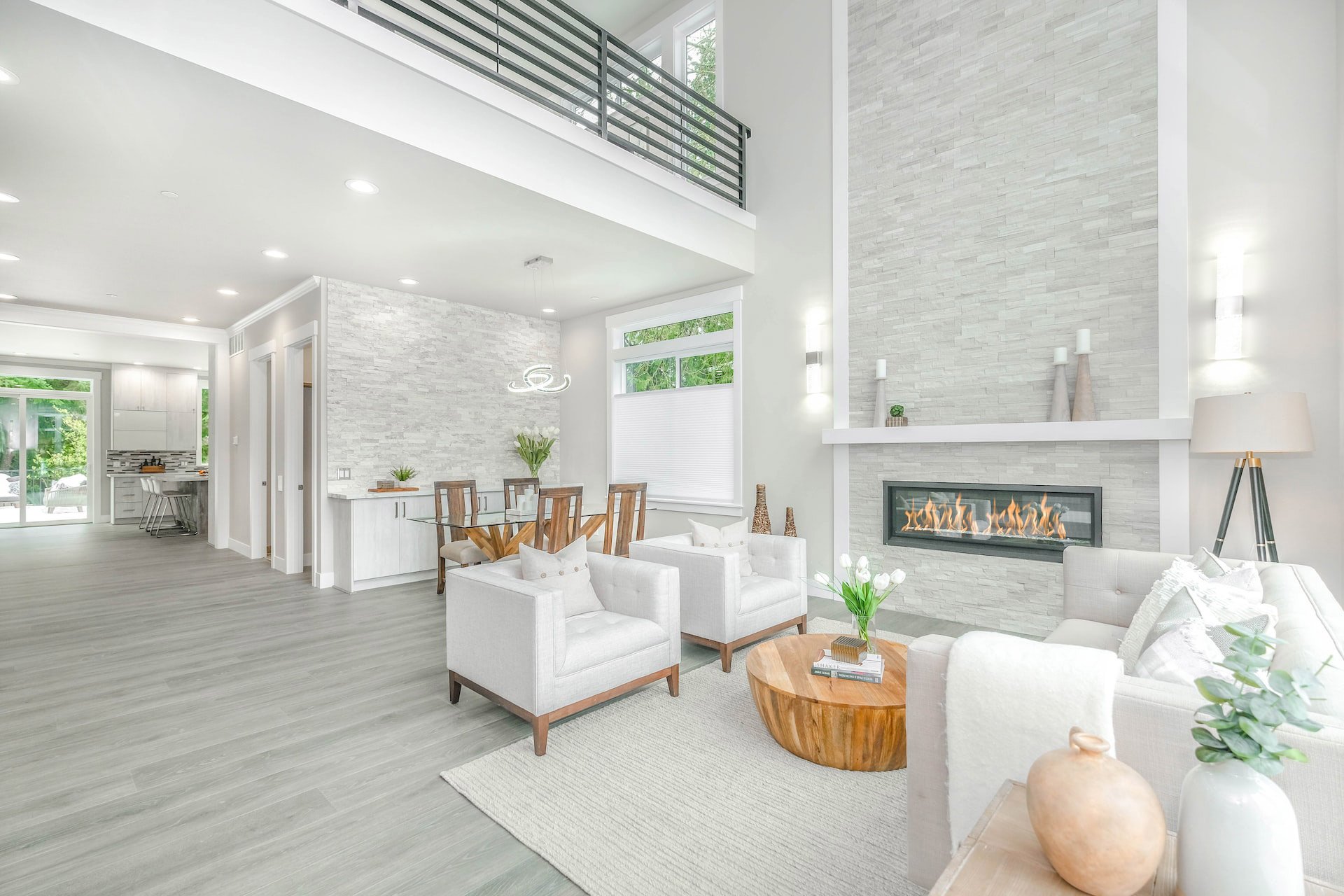
When rooms are overly personalized or filled with furniture and decor, it becomes harder for buyers to understand the layout and size of the space. Removing excess items allows natural light, architectural details, and floor space to stand out.
Focus on simplifying key areas:
- Kitchen countertops
- Entryways
- Living room surfaces
- Closets and storage spaces
Closets, in particular, matter more than many sellers realize. Buyers often open every door, and organized storage suggests the home has been well maintained.
Think of decluttering less as cleaning and more as staging the home's potential.
Small Upgrades With Real ROI
Major renovations right before listing rarely deliver the return sellers expect. Buyers often have their own design preferences, and expensive upgrades can limit rather than increase interest.
Instead, focus on small improvements that signal care and maintenance.
These upgrades tend to provide the best return:
- Fresh neutral paint where needed
- Updated lighting fixtures
- Replacing outdated cabinet hardware
- Fixing minor repairs (loose handles, squeaky doors, chipped trim)
These details may seem minor, but they influence how buyers perceive the overall condition of the property. A home that feels maintained often attracts stronger offers than one that appears neglected.

Curb Appeal Still Sets the Tone
First impressions happen before buyers ever walk through the door.
Curb appeal plays a major role in how buyers emotionally connect with a home. Fortunately, it doesn’t require major landscaping projects to make an impact.
A simple curb appeal checklist includes:
- Fresh mulch or trimmed landscaping
- Clean walkways and driveway
- Pressure washing exterior surfaces
- A clean front door and updated house numbers
- Healthy grass and trimmed hedges
These changes signal that the property has been cared for and make the showing experience feel more inviting from the start.
Final Thoughts
Preparing a home for sale isn’t about transforming it into something entirely new. It’s about presenting the property in a way that helps buyers clearly see its value.
Decluttering, small strategic upgrades, and thoughtful curb appeal improvements consistently outperform expensive last-minute renovations.
When done correctly, these steps create a home that feels clean, cared for, and easy for buyers to imagine living in.
Spring preparation starts with understanding what buyers actually value — and focusing your efforts there.
Check out this article next