


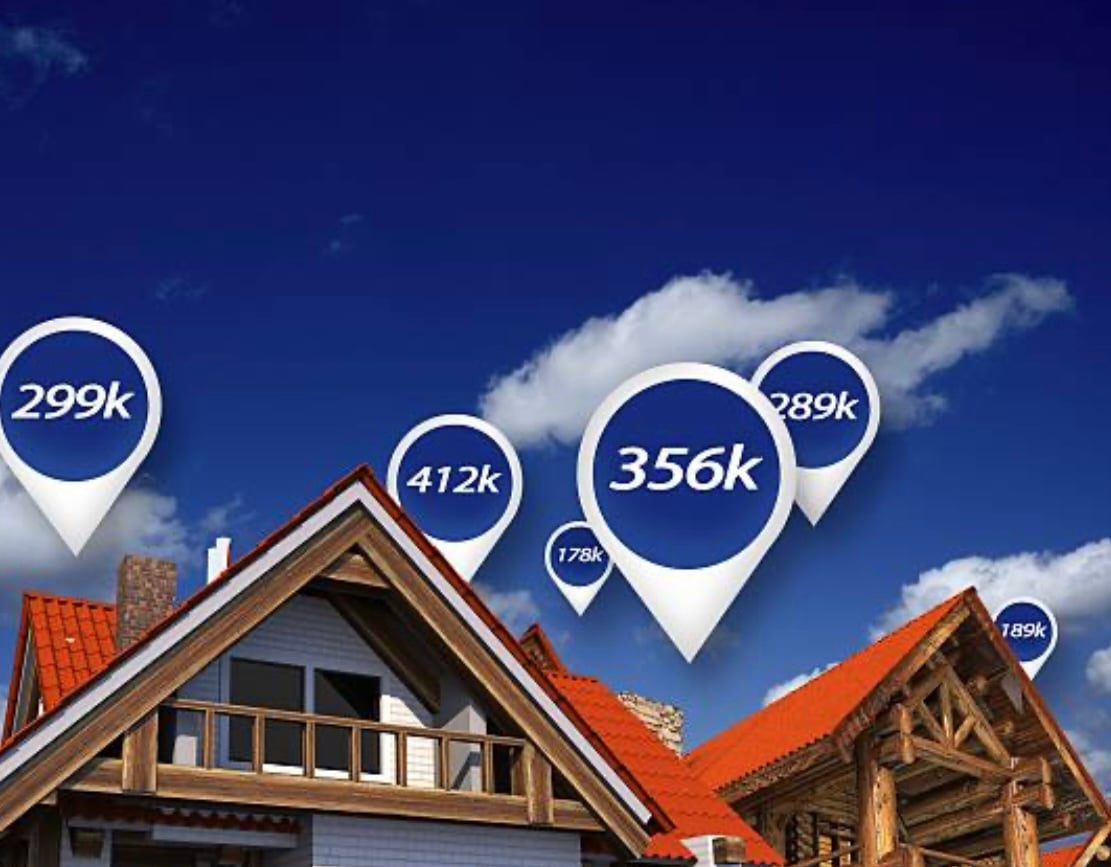
Selling your home starts long before the first showing. It starts with a number and that number matters more than almost any other decision you'll make in the process. Price it too high and your home sits, collects days on the market, and signals to buyers that something's wrong. Price it too low and you leave real money on the table. The goal is neither. The goal is precise.
Here's how strategic pricing works and why it's the single lever you control as a seller.
How Pricing Impacts Your Sale
1. Attracts More Buyers
The right price puts your home in front of the right people from day one. Buyers search within specific price ranges, and a well priced home shows up where the traffic is. Price your home just 5% too high, and you risk missing the buyers who can actually afford it, while attracting attention from buyers who can't.
2. Maximizes Your Sales Price
This one surprises sellers: pricing slightly below your ceiling often nets you more. A well priced home generates competition which leads to multiple offers. Multiple offers push the price up, sometimes beyond what an aggressive list price would've achieved alone. Strategic pricing is about creating the conditions to get every dollar the market will bear.

3. Sells Faster
Correctly priced homes sell quickly. That's not luck, it's math. Buyers act with urgency when they recognize value. A home that's priced right in week one creates momentum that an overpriced home chasing the market in week six simply can't replicate.
4. Reduces Price Cuts
Every price reduction is a red flag. Buyers notice when a home has been sitting, they wonder what's wrong, and they come in with lower offers as a result. The best way to avoid a price cuts to avoid needing one, which means pricing accurately from the start rather than testing the market and adjusting.
5. Builds Buyer Confidence
A well priced home signals a seller who is serious, informed and ready to transact. That confidence is contagious. It makes buyers more comfortable moving quickly, waiving contingencies, and presenting clean offers. An overpriced home does the opposite. It creates hesitation before the buyer even walks through the door.
What We Look At to Price Your Home
Market Conditions
Is it a buyer's market or a seller's market? How long are comparable homes sitting? Are homes selling above or below asking price? The market sets the ceiling and our job is to make sure your price reflects todays conditions, not last years headlines.
Location
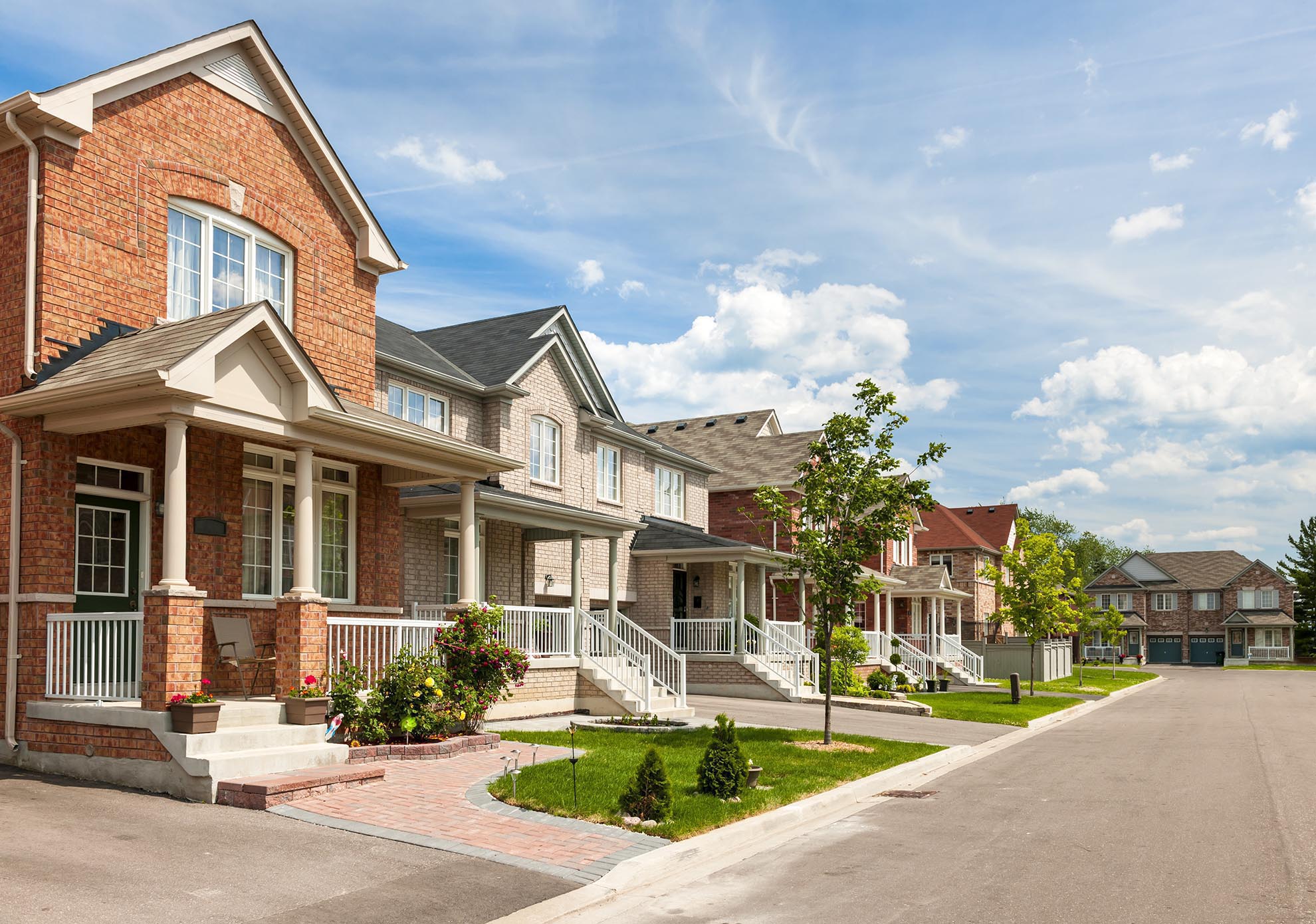
Two homes with identical square footage can command very different prices based on street, school district, proximity to amenities, and neighborhood trajectory. Location isn't just an address. It's a data point with real dollar value attached.
Home Condition & Features
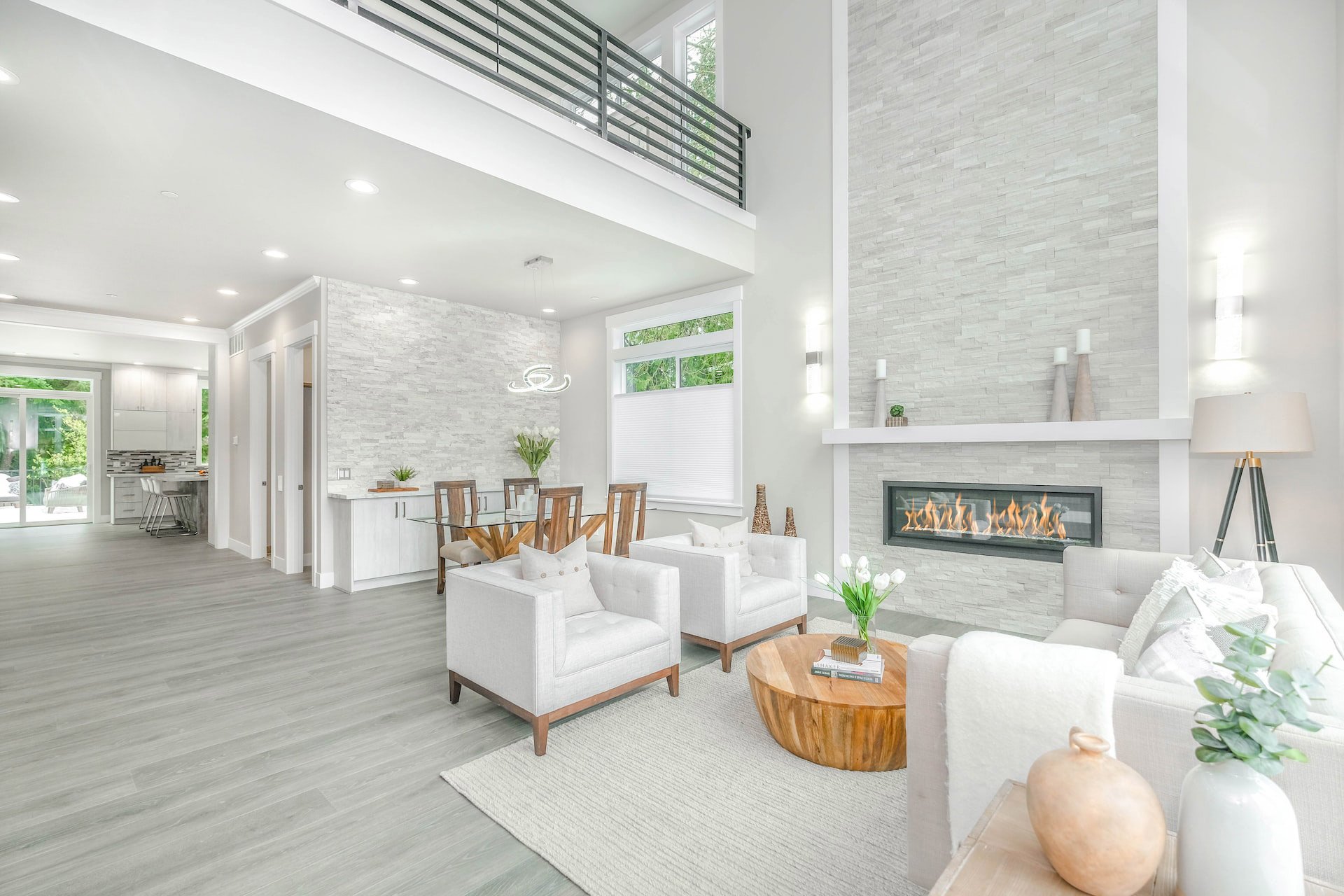
Updated kitchen, new roof, finished basement, original fixtures — buyers price all of it, consciously or not. We factor in what your home has, what it needs, and how it compares to what's available to buyers in your price range right now.
Recent Sales (Comps)
Comparable sales are the backbone of any solid pricing strategy. What did similar homes in your area actually sell for, not list for in the 90 days? Comps are the closest thing real estate has to an objective price anchor and they're non-negotiable in our process.
Pro Tips for Sellers
Trust the Data
Your home has sentimental value that no spreadsheet can capture, but buyers aren't buying your memories. They're buying square footage, finishes and location. Pricing based on what you need versus what the market supports is the quickest path to a frustrating sale.
Price for Today's Buyers
The market you sold in three years isn't the market you're selling in now. Rates, inventory, and buyer demand shift constantly. A pricing strategy built on current data will always outperform one built on assumptions.
Be Flexible
If the market responds with silence, no showings, no offers in the first two weeks, that's data. The market is telling you something. Being willing to adjust quickly is far less costly than waiting and watching your leverage erode.
First Impressions Matter
Your list price is the first thing a buyer sees before the photos, before the description, before the showing. A price that feels off will keep buyers from ever getting to the part where your home sells itself. Get the number right and everything else gets easier.

Pricing a home correctly is both an art and a science and it's the foundation everything else is built on. Get it right and the market works for you. Get it wrong and you're working against it from day one.