



It’s not city vs. suburb — it’s lifestyle math.
For years, the ITP (Inside the Perimeter) vs. OTP (Outside the Perimeter) debate felt emotional. City energy versus suburban comfort. Walkability versus space. Convenience versus affordability.
In 2026, the conversation looks different.
Buyers aren’t choosing based on identity — they’re choosing based on tradeoffs.

Commute, Space, and Price: The Real Tradeoffs
Today’s buyers are evaluating three primary variables:
1. Commute & Daily Rhythm
Hybrid work has shifted priorities. Some buyers only commute two or three days a week, making longer drives more manageable. Others still need proximity to Midtown, Buckhead, or Downtown and prioritize shorter daily travel times.
For many, the question isn’t “Do I want to live in the city?”
It’s “How often am I actually going there?”
2. Space & Lifestyle Needs
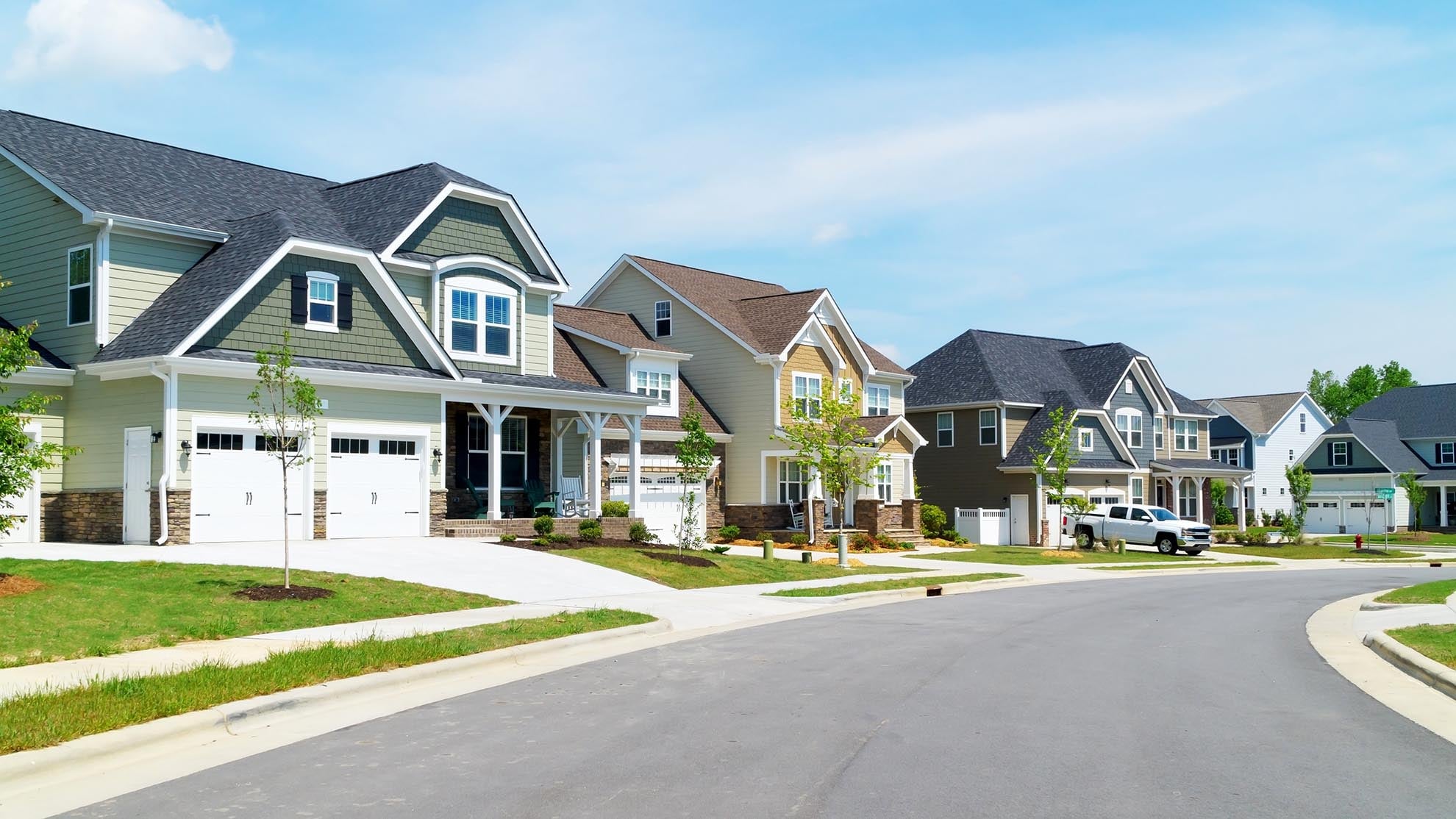
OTP typically offers:
- Larger homes
- Bigger lots
- Newer construction
- More storage and parking
ITP often offers:
- Character homes
- Walkability
- Proximity to restaurants and parks
- Established neighborhoods with history
3. Price & Long-Term Value
Price gaps between ITP and OTP still exist, but they’re more nuanced than before.
ITP homes tend to:
- Hold value consistently
- Benefit from limited land supply
- Attract strong resale demand
OTP homes often:
- Provide more space per dollar
- Appeal to long-term family buyers
- Offer newer amenities
Buyers are increasingly weighing appreciation potential against immediate comfort and affordability.
Buyers in 2026 are calculating square footage differently. Some are prioritizing home offices and yard space. Others are prioritizing being able to walk to coffee or the BeltLine.
It comes down to daily lifestyle patterns — not just home size.
Why ITP Still Holds Value
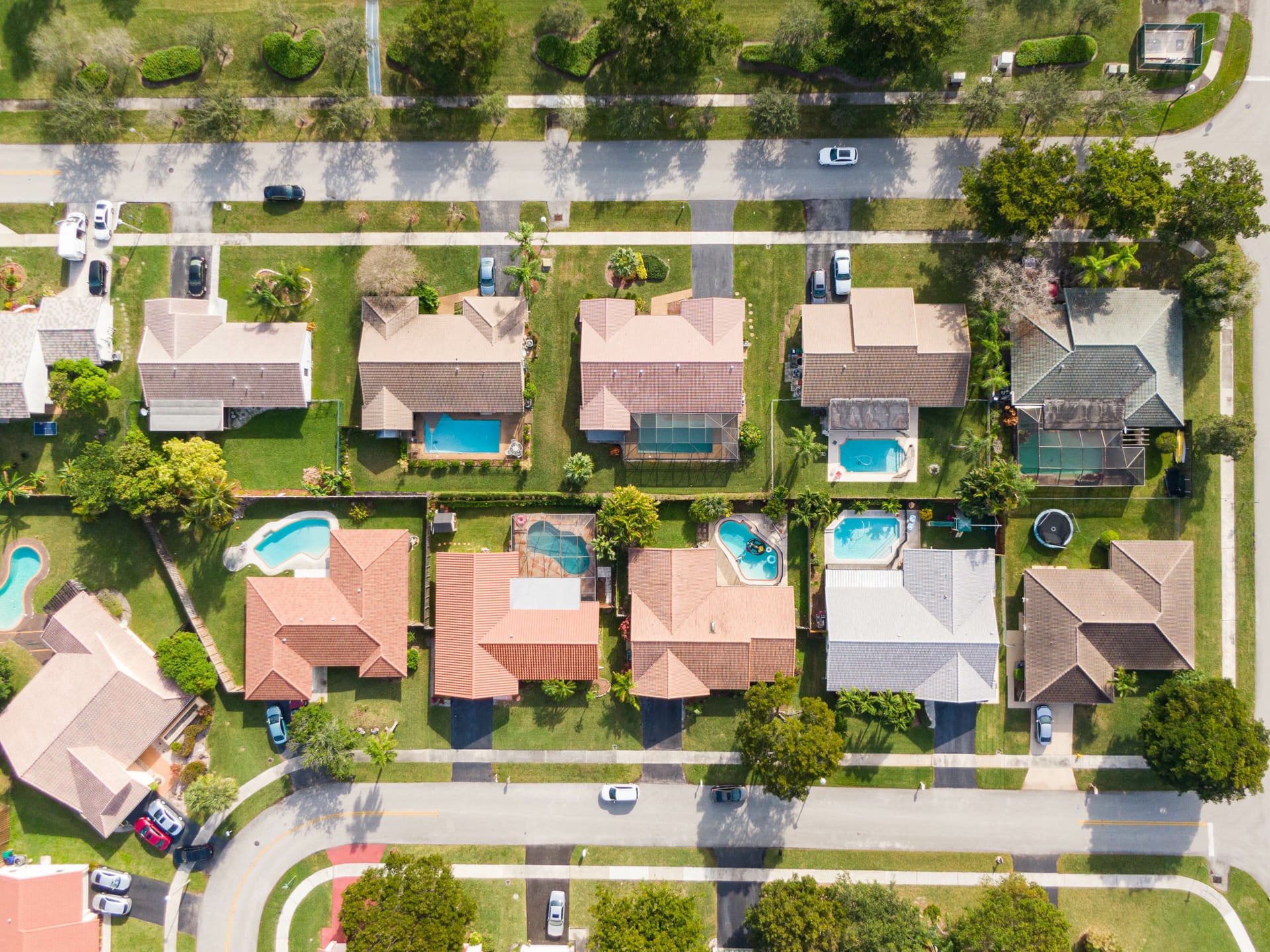
Despite market shifts, ITP neighborhoods remain competitive because of one factor: supply constraints.
There is only so much land inside the Perimeter. Established neighborhoods with proximity to major job centers, entertainment, and infrastructure tend to retain demand — even in slower markets.
That doesn’t mean OTP lacks value. It means the drivers are different.
ITP often benefits from:
- Location durability
- Walkability premiums
- Strong resale liquidity
For many buyers, long-term stability factors heavily into their decision-making.

The New Decision-Making Framework
In 2026, buyers are asking smarter questions:
- How long do I plan to stay?
- What does my work schedule actually look like?
- Do I value convenience or square footage more?
- What kind of resale market do I want later?
- How does this choice align with my financial goals?
It’s less about labels and more about alignment.
Some buyers start ITP and move to OTP later. Others try OTP and realize they prefer proximity. Neither path is “better” — it’s situational.
The Bottom Line
The ITP vs. OTP debate isn’t about right or wrong.
It’s about understanding your personal tradeoffs and making a strategic decision that fits your current life stage, financial position, and long-term goals.
No wrong choice — just informed ones.