



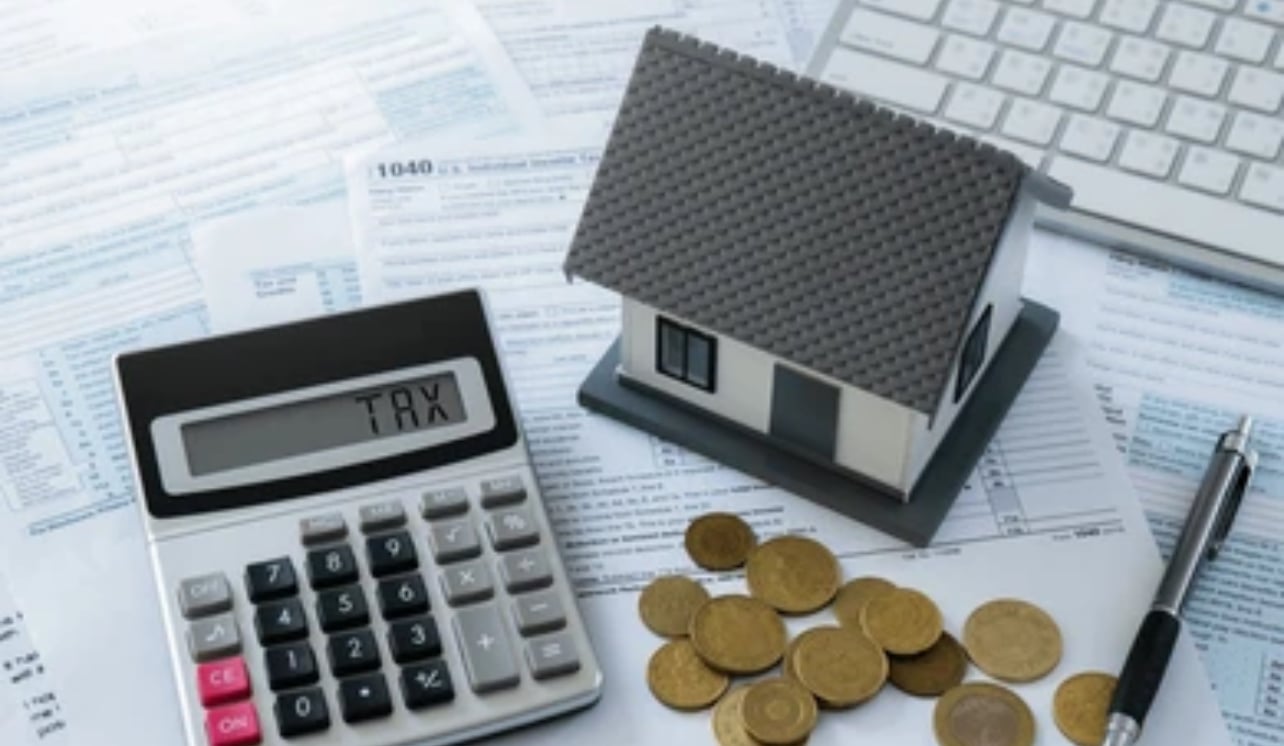
The price of the home isn’t the only number that matters. Your property taxes directly impact your monthly payment — and your long-term budget. Yet many buyers focus solely on the purchase price and overlook how taxes can shape what they can actually afford.
Understanding how property taxes work can help you make smarter decisions when choosing a home, planning your budget, and avoiding surprises after closing.
The Hidden Cost Buyers Often Forget
When buyers estimate their monthly housing payment, they usually think about two things: the mortgage loan amount and the interest rate. But your true monthly payment typically includes four components:
- Principal (the loan balance)
- Interest
- Property taxes
- Homeowners insurance
This is often referred to as PITI.
Property taxes can add hundreds of dollars per month to your payment depending on the location and value of the home. Two homes with the same price can have very different monthly costs simply because they are located in different tax districts.
Why Property Taxes Change Your Buying Power
Your lender doesn’t just look at the home price when determining how much you can borrow. They calculate your total monthly payment, including estimated property taxes.
If taxes are high, the lender may approve you for a lower purchase price because your monthly payment would otherwise exceed their affordability guidelines.
In simple terms:
- Higher property taxes = less home you can afford
- Lower property taxes = more buying power
This is why two buyers with the same income and credit score may qualify for different price ranges depending on where they plan to purchase.
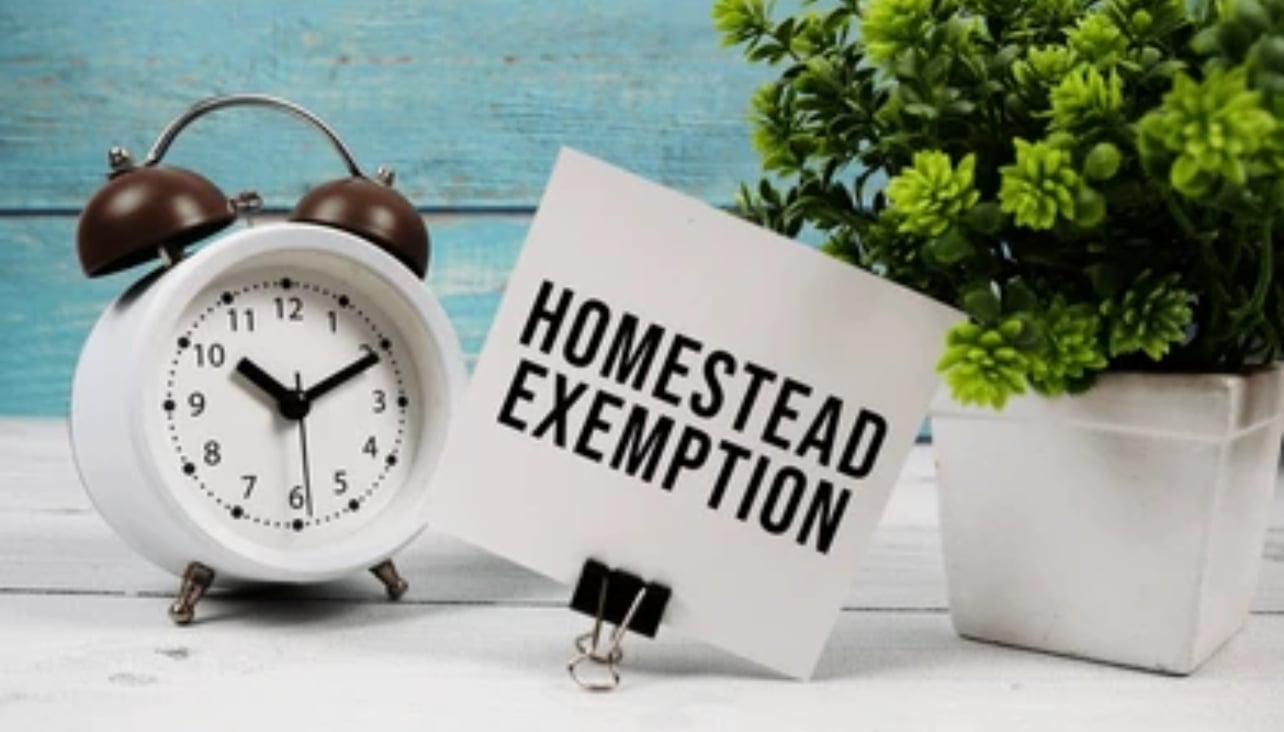
The Role of Homestead Exemptions
Many homeowners can reduce their property tax burden through a homestead exemption. This exemption lowers the taxable value of your primary residence, which can reduce your annual tax bill.
Benefits of a homestead exemption often include:
- Lower annual property taxes
- Protection against large tax increases in some areas
- Long-term savings for homeowners
However, there are a few things buyers should know:
- You typically must occupy the home as your primary residence.
- You must apply for the exemption—it is not always automatic.
- It usually takes effect after you purchase the home, not immediately at closing.
Because of this, your lender may initially estimate taxes without the exemption, which can slightly increase the projected payment during the buying process.
Budget Planning Tips for Buyers
If you're planning to purchase a home, factoring in property taxes early can help you avoid financial stress later.
Here are a few smart strategies:
- Research the Tax History
Look at the property’s tax history to understand how much the owner has been paying and whether taxes have been increasing. - Ask About Reassessments
Some areas reassess property values after a sale, which could increase taxes once the home changes ownership. - Estimate Your Full Monthly Payment
Don’t focus only on the mortgage. Make sure you understand the full payment including taxes and insurance. - Leave Room in Your Budget
Property taxes can increase over time as property values rise, so it's wise to build a buffer into your budget.
Final Thoughts
Buying a home is about more than just the listing price. Property taxes play a significant role in your monthly affordability, loan approval, and long-term financial planning.
By understanding how taxes impact your payment and taking advantage of potential exemptions, you can make a more informed decision and choose a home that truly fits your budget.
Because when it comes to buying real estate, buyers look beyond the price tag—they look at the full financial picture.