




People keep asking if the Atlanta market is good or bad. That’s the wrong question.
The better question is: Good or bad for who—and where?
Atlanta isn’t one market. It’s a collection of neighborhoods, price points, and micro-markets that behave very differently from one another. Headlines and national stats rarely tell the full story, and relying on them alone leads buyers and sellers to make costly assumptions.
Let’s break down what’s actually happening—and what both sides need to stop assuming.
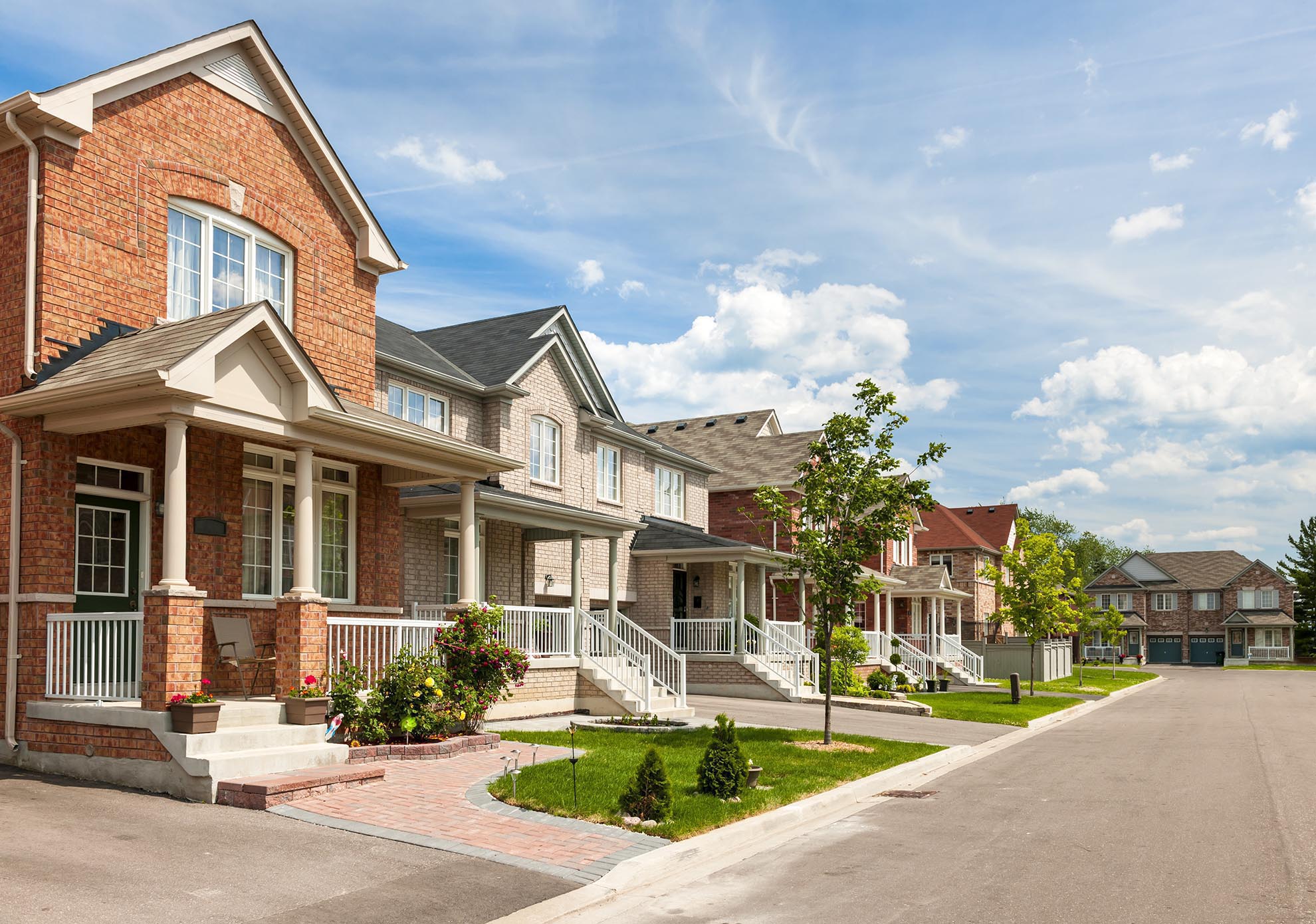
Headlines Don’t Reflect Neighborhood-Level Reality
You’ve probably seen the headlines: “The market is cooling” or “Homes are still selling fast.” Both can be true at the same time.
In Atlanta, a home in one neighborhood may sell in days, while a similar home just a few miles away sits for weeks. Price point, condition, and location matter more than ever. That’s why broad market statements don’t help buyers or sellers make good decisions.
Real strategy starts at the neighborhood level—not the news cycle.

Sellers: Good Homes Don’t Sell Themselves Anymore
One of the biggest misconceptions among Atlanta sellers is that demand will do the heavy lifting. A few years ago, that was true. Today, it’s not.
Buyers are more cautious and better informed. They walk into homes already thinking about inspections, repairs, and potential price adjustments. That means preparation matters more than ever.
This doesn’t mean over-renovating. It means smart prep:
- Fresh paint
- Clean lines
- A home that feels move-in ready
Buyers want clarity, not projects.
Pricing is just as critical. Homes priced accurately create momentum early. Homes priced on hope sit longer—and the longer a home sits, the more leverage sellers lose.
The best outcomes happen when pricing, preparation, and presentation work together.
If you’re considering selling in Atlanta, the real question isn’t “Will my home sell?”
It’s “Will it sell on my terms?”

Buyers: Competition Isn’t the Real Problem—Clarity Is
HGTV makes buying a home look easy. Real life is different.
For first-time buyers in Atlanta, the biggest challenge right now isn’t competition—it’s clarity.
Before falling in love with a home, buyers need to understand their buying window. That starts with the numbers. Pre-approval isn’t just a box to check; it defines your comfort zone, not just your maximum.
Next comes neighborhood fit. Atlanta is a city of micro-markets. Two homes at the same price can offer completely different lifestyles, commutes, and long-term value.
Emotion will always be part of buying a home—but it shouldn’t drive the process. Buyers who stay grounded make better decisions and feel more confident long after closing.
Buying doesn’t have to feel overwhelming. Education changes everything.
The Bottom Line
The Atlanta market isn’t good or bad—it’s nuanced.
For sellers, strategy now matters more than timing.
For buyers, preparation matters more than speed.
When assumptions are replaced with education and neighborhood-level insight, better outcomes follow on both sides.