


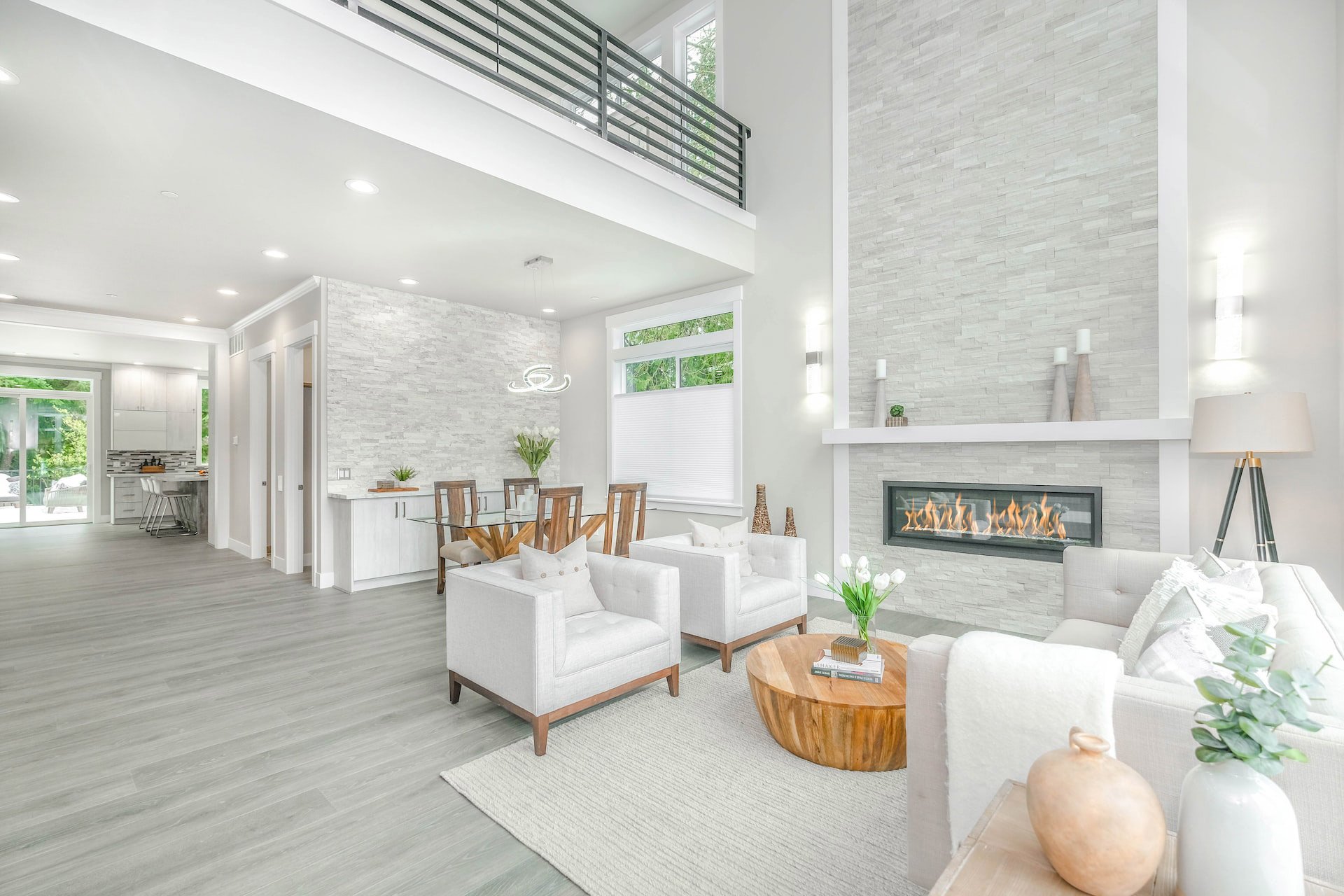
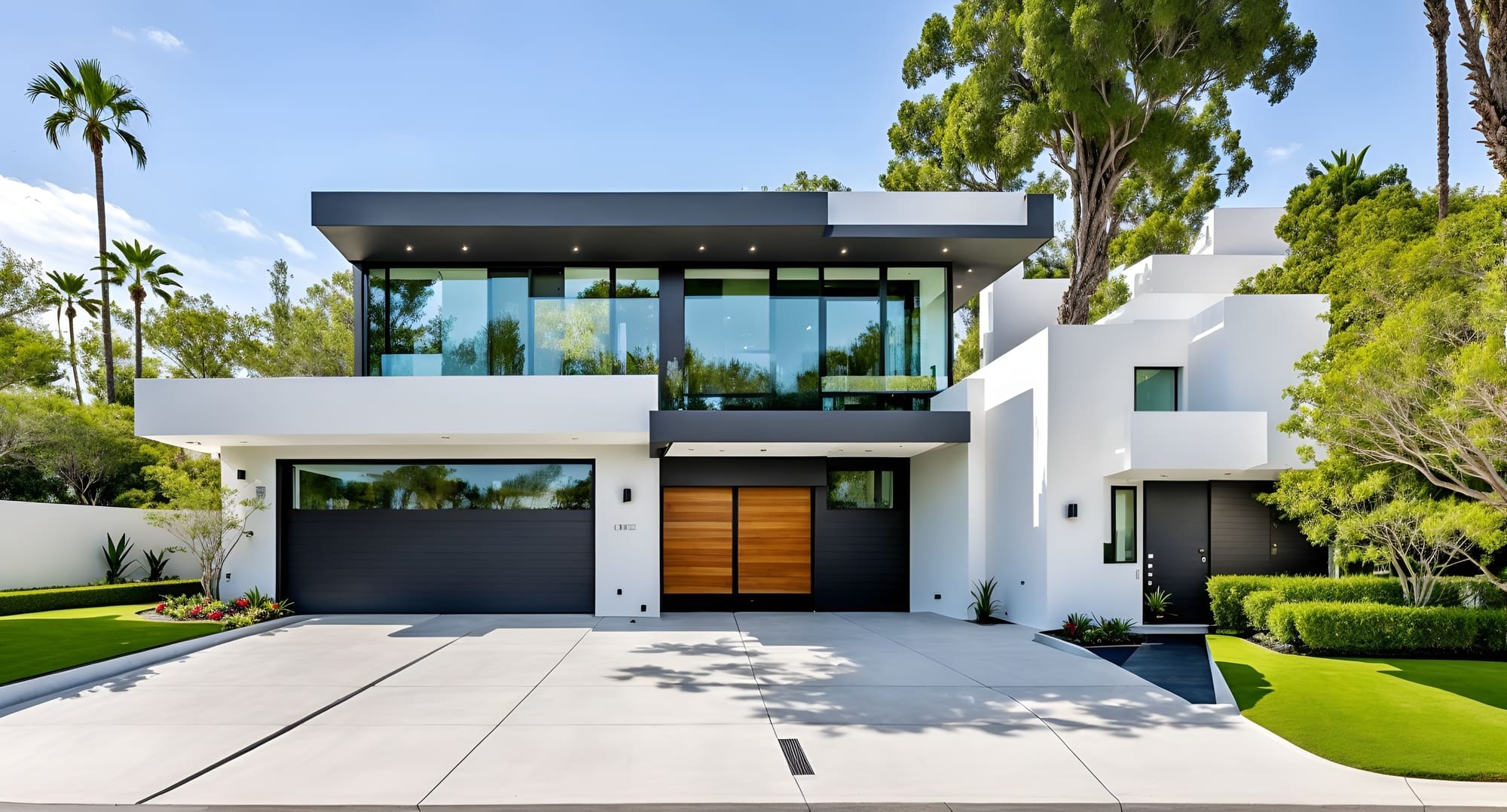
Walking through a home for the first time is exciting—but it’s easy to get swept up in paint colors, furniture placement, or a gorgeous kitchen. Many buyers overlook small details that could have a big impact down the line. Paying attention to these often-missed elements can save headaches and help you make a more confident decision.
Here’s what buyers commonly miss when touring homes:
1. Water and Plumbing Issues
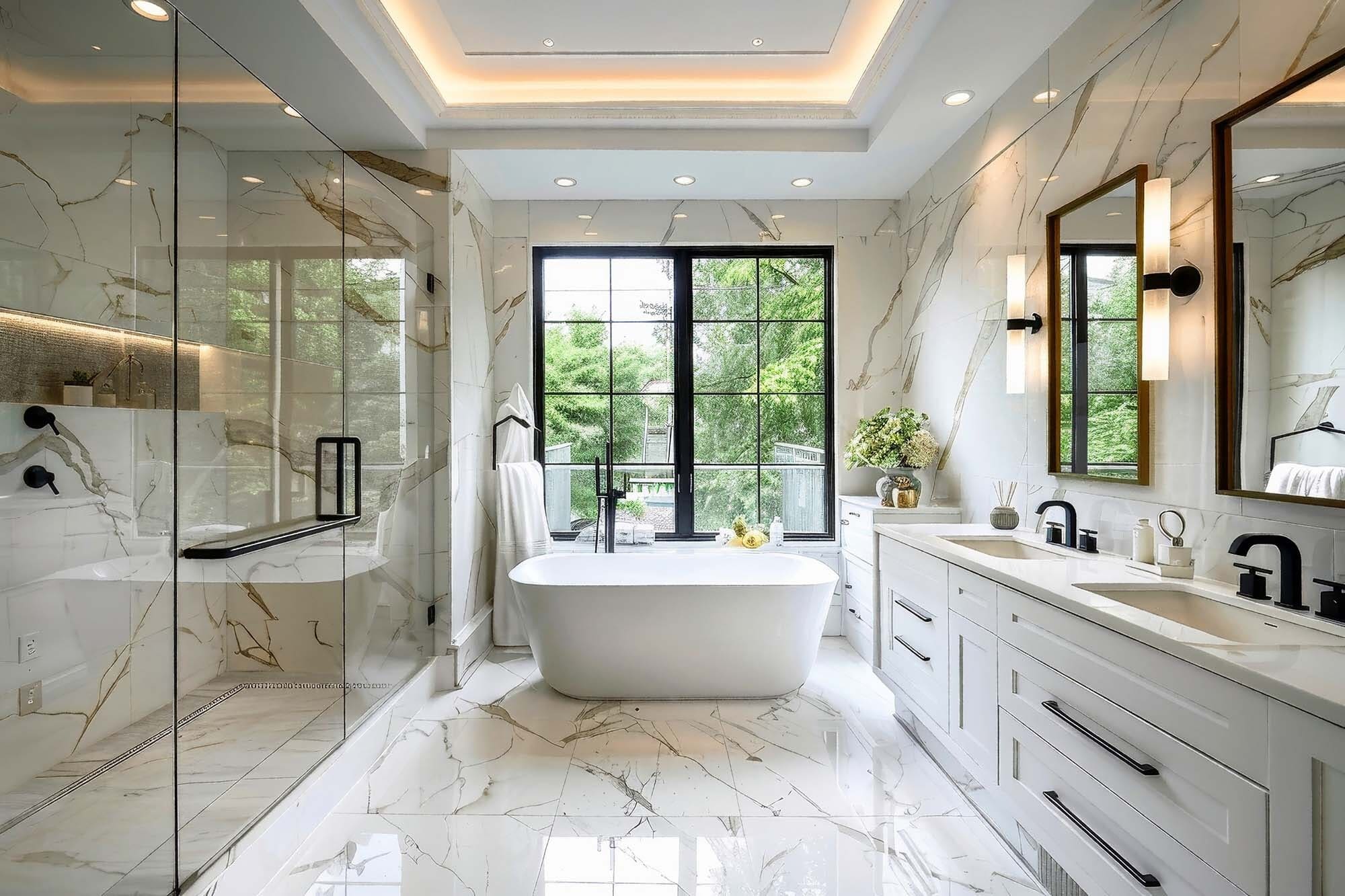
Even a minor leak can become a major problem later. Check under sinks, around tubs, and near appliances. Look for water stains on ceilings or walls—they can signal past or ongoing damage.
2. Electrical and Safety Concerns
Test outlets and switches. Ask about the age of the electrical panel, and make sure smoke and carbon monoxide detectors are functional. Safety should never be an afterthought.
3. Storage and Space
Closets, pantries, and garage space are easy to overlook but make a huge difference in daily living. Consider whether the storage options fit your lifestyle.
4. Heating, Cooling, and Insulation
Check the age and functionality of the HVAC system. Look for drafts, cold spots, or areas that might indicate poor insulation. Proper heating and cooling can affect comfort and energy bills.
5. Flooring and Surface Conditions
Scratches, stains, or uneven floors can signal hidden issues. Examine hardwood, tile, and carpet carefully—sometimes surface problems hint at bigger structural concerns.
6. Odors and Air Quality
Musty or chemical smells could indicate mold or ventilation problems. Persistent pet or smoke odors might also be costly to remove. Take note of any smells and ask about the home’s air quality.
7. Noise and Neighborhood Factors
Pay attention to street traffic, nearby businesses, and even neighbors’ habits. Visit the home at different times of day if possible to gauge noise levels and neighborhood activity.
8. Sunlight and Natural Light
Notice how much sunlight enters each room at different times of the day. Light affects mood, energy efficiency, and even the resale value of a home.
9. Flow and Layout Issues
Walk through the home as if you’re living there. Check for awkward layouts, tight spaces, or inefficient kitchen/workflow design. Consider how the space will function day-to-day, not just how it looks.
Final Thoughts
A home is more than just a pretty space—it’s where you’ll live, work, and create memories. By looking beyond the surface and noticing the details many buyers miss, you can make a smarter, more confident decision.
Remember: the right home isn’t just beautiful—it’s functional, safe, and a place you can see yourself thriving in for years to come.