


In today’s real estate market, pricing a home correctly isn’t just important—it’s everything.
Gone are the days when you could list high, wait for multiple offers, and let the market “figure it out.” Buyers are more informed, more selective, and more cautious. Interest rates, affordability concerns, and increased inventory in many areas have shifted the power dynamic. That makes pricing strategy—not guesswork—the deciding factor between a successful sale and a listing that lingers.
The Market Has Changed (Even If Expectations Haven’t)
One of the biggest challenges in today’s market is that expectations haven’t caught up with reality.
Many sellers are still anchored to peak-market pricing from a few years ago, while buyers assume every home is negotiable simply because conditions have cooled. The truth lives somewhere in between. Homes are still selling—but only when they’re priced to reflect current demand, competition, and buyer behavior.
Pricing based on what a neighbor got last year or what the home could be worth in a perfect scenario often leads to missed opportunities.

The First Impression Happens Online
Pricing is no longer just a number—it’s a marketing tool.
Most buyers see a home for the first time online, filtered by price range. If a home is priced too high, it may never appear in the right searches. If it does, buyers immediately compare it to similar listings and decide—within seconds—whether it’s worth seeing in person.
Overpriced homes don’t just get fewer showings. They often get the wrong showings: buyers who are stretching, already skeptical, or planning to negotiate aggressively.
Overpricing Costs More Than Underpricing
It’s a common belief that starting high leaves “room to negotiate.” In reality, overpricing usually does the opposite.
When a home sits on the market:
- Buyers assume something is wrong
- Urgency disappears
- Price reductions become inevitable
- Sellers lose leverage in negotiations
By the time the price is adjusted, the listing is no longer new—and the strongest buyers may have already moved on.
Homes priced strategically from the start often generate more interest, stronger offers, and better terms—even if the final price ends up close to market value.

Buyers Are Smarter and Better Prepared
Today’s buyers have access to more data than ever. They know recent sales, price trends, and how long homes are sitting. Many are working closely with agents, watching the market daily, and waiting for the right opportunity.
This means pricing has to be defensible. Buyers will pay for value, condition, and location—but they won’t overpay simply because a seller hopes they will.
A smart pricing strategy aligns with how buyers are actually making decisions, not how sellers wish they would.
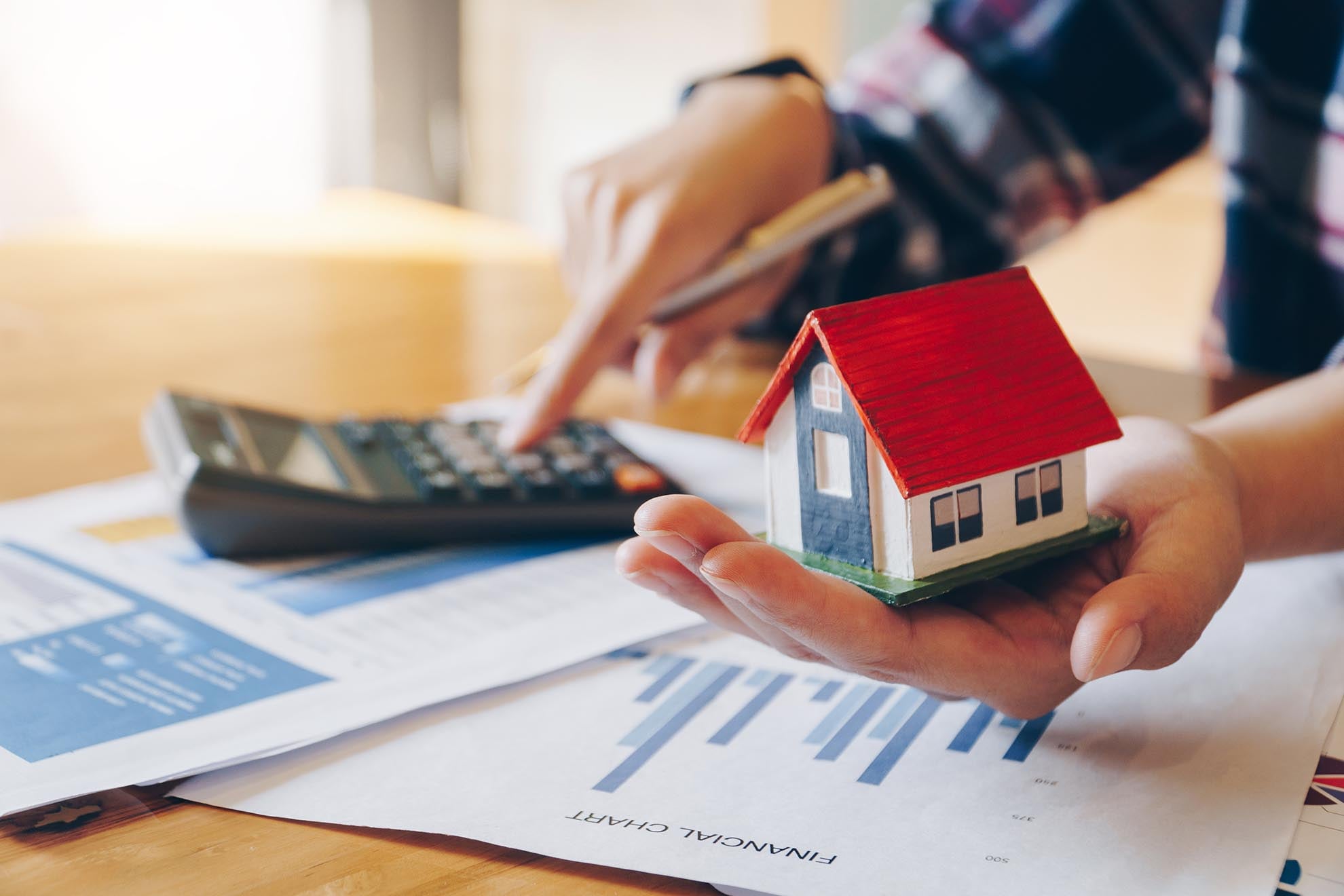
Pricing Is Strategy, Not Emotion
For sellers, pricing can be emotional. A home may represent years of memories, renovations, and personal milestones. But the market doesn’t price emotion—it prices data.
Effective pricing considers:
- Recent comparable sales (not just active listings)
- Current competition
- Buyer demand in that specific price range
- Condition, updates, and layout
- Market momentum and seasonality
When pricing is treated as a strategic decision instead of an emotional one, outcomes improve dramatically.

The Goal Isn’t Just to Sell—It’s to Sell Well
The best pricing strategy doesn’t just aim to get a home sold. It aims to:
- Minimize days on market
- Maximize buyer interest
- Protect negotiation leverage
- Reduce stress and uncertainty
In today’s market, the homes that stand out aren’t necessarily the cheapest—they’re the ones that make sense.
Conclusion
Pricing strategy matters more than ever because the market is no longer forgiving. Buyers are cautious, sellers have competition, and small pricing missteps can have big consequences.
The good news? When pricing is done right—based on real-time data, local insight, and buyer behavior—homes still sell successfully and smoothly.
In a market that rewards strategy over assumptions, the right price isn’t just a number. It’s the foundation of the entire sale.